Retaining Wall Drainage in Tuscaloosa, AL
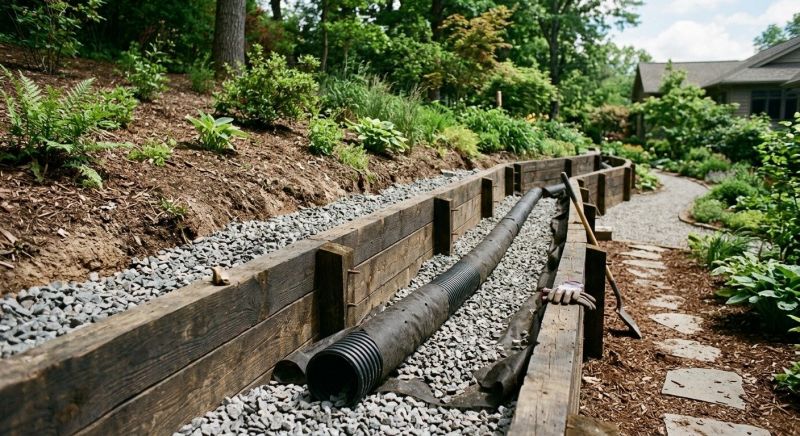
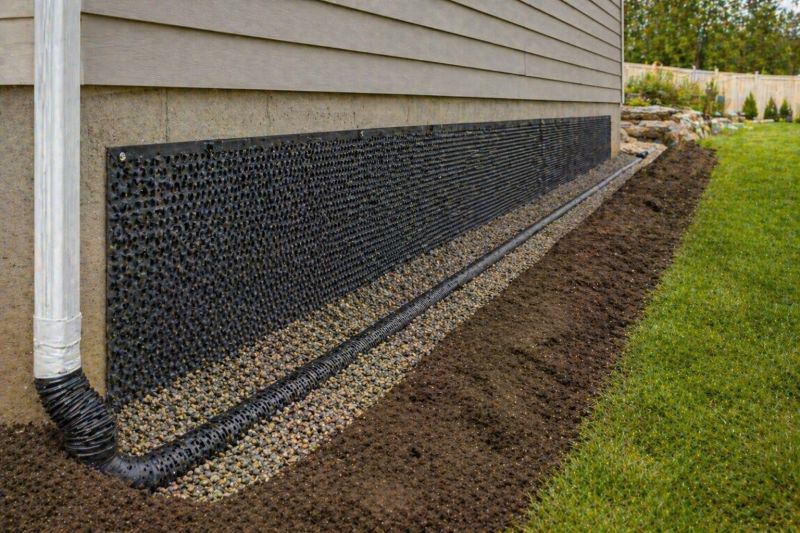
Retaining wall drainage services focus on ensuring proper water management around retaining walls to prevent damage and maintain stability. These services typically involve installing drainage systems such as weep holes, drainage pipes, or gravel backfill to direct water away from the wall’s structure. Property owners often request this service for projects like garden retaining walls, yard terracing, or hillside stabilization, especially in areas prone to heavy rainfall or poor soil drainage. Understanding the existing site conditions and the type of retaining wall being installed or maintained helps homeowners determine the appropriate drainage solutions for their property.
Before requesting retaining wall drainage services, property owners should consider factors such as the wall’s height, material, and location, as well as the slope and soil type of the surrounding land. It’s important to evaluate whether existing drainage issues, such as pooling or erosion, are present that could compromise the wall’s integrity. Clear communication about these details can help ensure that the drainage system is designed to effectively manage water flow, reducing the risk of structural problems and prolonging the lifespan of the retaining wall.
Many property owners in Tuscaloosa, AL look into Retaining Wall Drainage for repairs, replacements, upgrades, and appearance-related improvements.
Proper Drainage Solutions
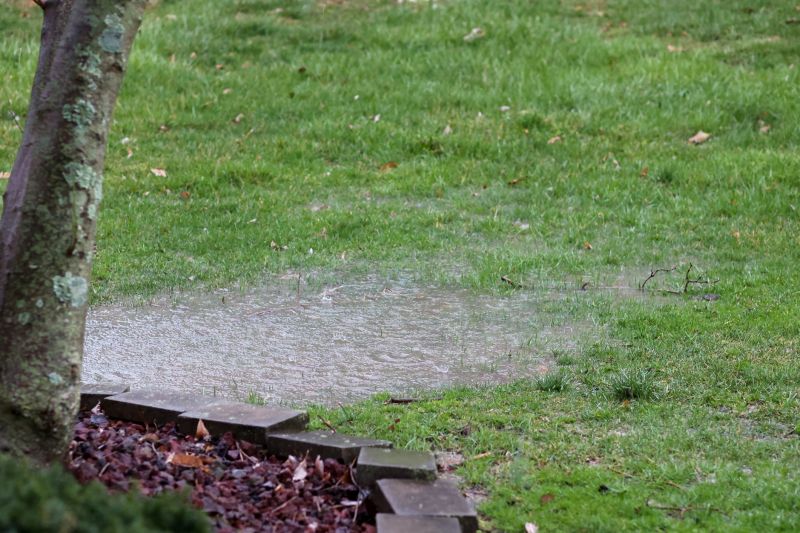
Effective drainage helps prevent water buildup behind retaining walls and protects your landscape.
Foundation And Soil Support
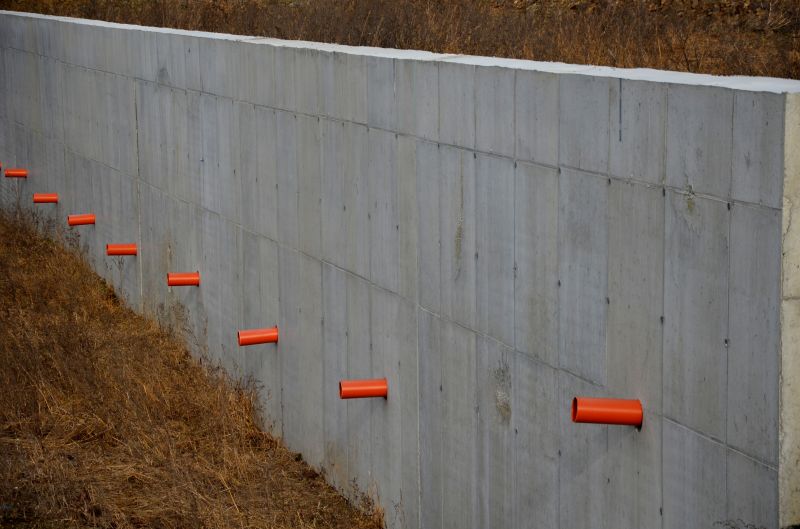
Adequate drainage ensures stability for retaining walls and reduces the risk of soil erosion.
Maintenance And Inspection
Regular checks of drainage systems can extend the lifespan of retaining walls and maintain their performance.
Retaining Wall Drainage in Tuscaloosa, AL
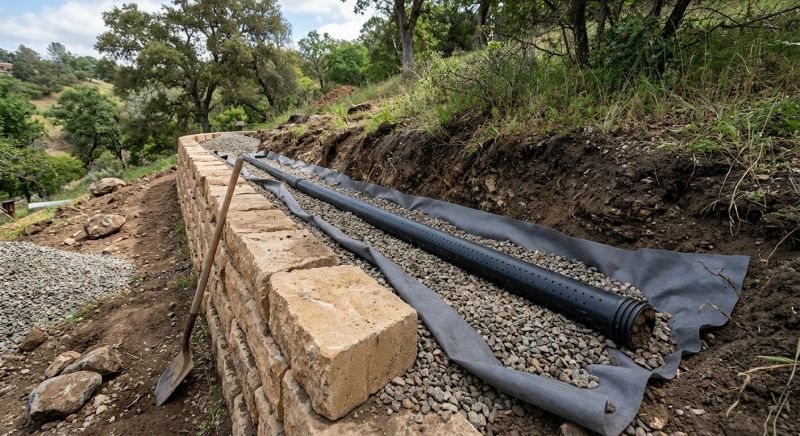
Retaining wall drainage services focus on ensuring proper water management around retaining walls to prevent damage and maintain stability. These services typically involve installing drainage systems such as weep holes, drainage pipes, or gravel backfill to direct water away from the wall’s structure. Property owners often request this service for projects like garden retaining walls, yard terracing, or hillside stabilization, especially in areas prone to heavy rainfall or poor soil drainage. Understanding the existing site conditions and the type of retaining wall being installed or maintained helps homeowners determine the appropriate drainage solutions for their property.
Before requesting retaining wall drainage services, property owners should consider factors such as the wall’s height, material, and location, as well as the slope and soil type of the surrounding land. It’s important to evaluate whether existing drainage issues, such as pooling or erosion, are present that could compromise the wall’s integrity. Clear communication about these details can help ensure that the drainage system is designed to effectively manage water flow, reducing the risk of structural problems and prolonging the lifespan of the retaining wall.
Many property owners in Tuscaloosa, AL look into Retaining Wall Drainage for repairs, replacements, upgrades, and appearance-related improvements.
Common Retaining Wall Drainage Jobs
Retaining Wall Drainage - Proper drainage prevents water buildup behind retaining walls, reducing pressure and potential failure.
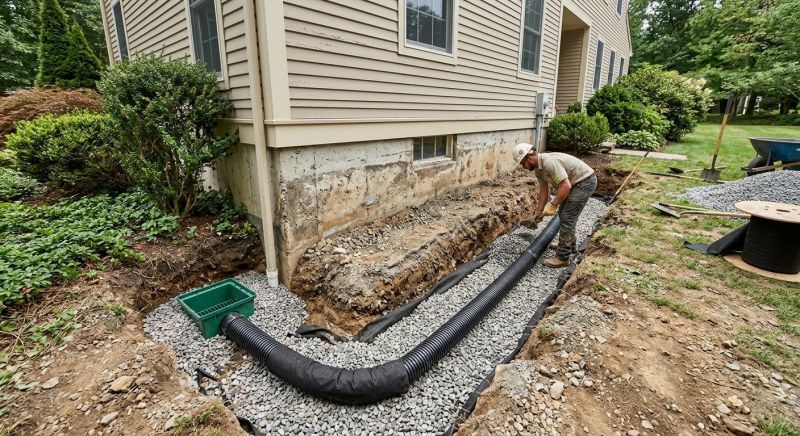
Drainage System Installation - Installing weep holes, gravel backfill, and drainage pipes helps direct water away from the wall structure.
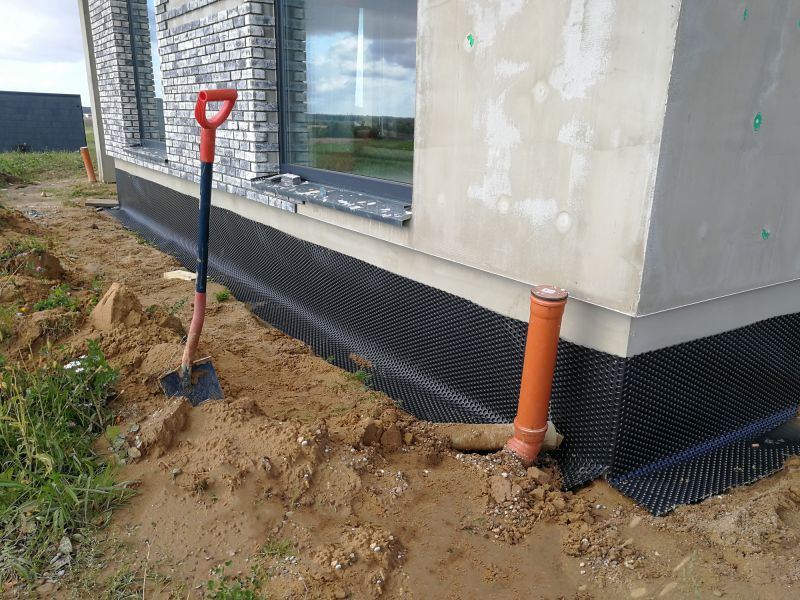
Waterproofing Solutions - Applying waterproof membranes or coatings protects the wall from moisture infiltration and damage.
Drainage Maintenance - Regular inspection and cleaning of drainage components ensure ongoing effectiveness and prevent clogs.
Design Consultation - Expert advice on drainage options tailored to specific landscape and soil conditions.
Leak Prevention - Proper drainage design minimizes the risk of water leaks and erosion around the retaining wall.
Retaining Wall Drainage Questions
Why is drainage important for retaining walls? Proper drainage prevents water buildup behind the wall, reducing pressure and the risk of failure.
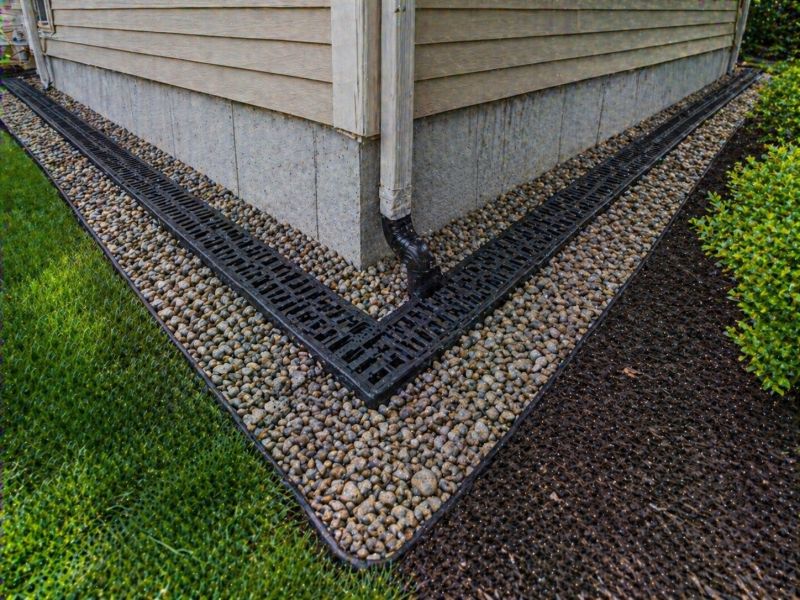
What types of drainage systems are used in retaining walls? Common options include weep holes, drain pipes, and gravel backfill to direct water away from the wall.
How can poor drainage affect my property? Inadequate drainage can lead to water pooling, soil erosion, and potential damage to the retaining wall and surrounding landscape.
When should drainage features be inspected or upgraded? Regular inspections are recommended after heavy rains or if signs of water pooling or wall movement appear.
Request Retaining Wall Drainage in Tuscaloosa, AL
Use the quote form on this page to share the basics of your project and request more information for the type of work you need.